




 Security Center Alerts

The Costs of Selling a Home
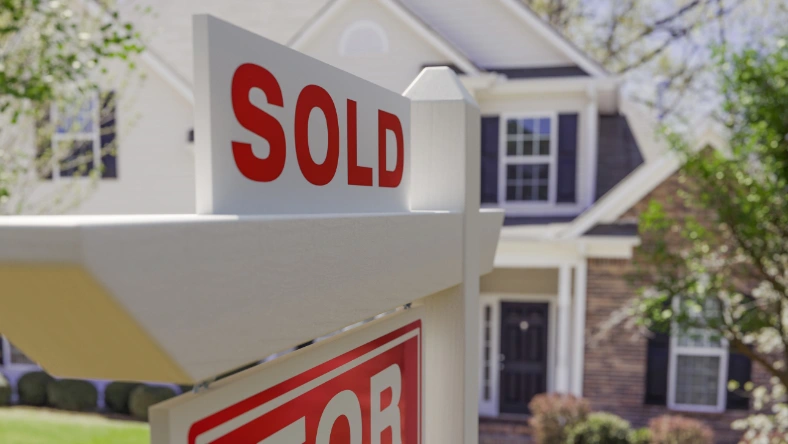
The True Costs of Selling a Home: What Every Seller Should Expect
Selling a home is often thought of as a straightforward way to cash out on your property, but the reality is more complex. While your final sale price may look appealing on paper, a wide range of expenses can significantly impact your actual profit. From agent commissions and closing costs to repairs, staging, and potential taxes, these costs add up quickly and can catch sellers off guard if they aren’t properly planned for.
Understanding these expenses ahead of time helps you set realistic expectations, price your home strategically, and avoid surprises at the closing table.
Selling a Home and The Costs
Selling a home can be costly. Total expenses depend on the property’s location, sale price, market conditions, and deal terms. Although sellers often receive a large payout, much of the proceeds go to transaction-related expenses.
Sellers often focus on the sale price, but ignoring other costs can lead to unrealistic expectations. Usual expenses include agent commissions, attorney fees, closing costs, repairs, staging, and taxes.
Upfront Costs Sellers Often Overlook
Sellers usually focus on their net gain but are often surprised by upfront costs.
Real Estate Agent Commissions
A main home sale expense is the real estate agent's commission. Traditionally, sellers pay both their own and the buyer’s agent. However, commissions are now negotiable, and each side may pay its own agent.
Many sellers still cover the buyer’s agent commission to attract more buyers and speed the sale. Commissions typically range from 2.5% to 3% per agent but can be negotiated, especially for higher-priced homes.
Home Inspection Costs
Buyers usually pay for inspections. Sellers who want a smoother process often order their own inspections to spot and fix issues early, avoid surprises, and support their asking price.
Home Repairs and Staging
Sellers often make repairs and improvements to appeal to buyers. Costs vary but often include:
- Structural or cosmetic repairs are needed to pass inspection
- Painting, landscaping, or deep cleaning to improve curb appeal
- Hiring a professional home stager to present the home attractively
Despite adding upfront costs, these improvements often help the home sell faster and at a better price.
Offering Incentives to Buyers
In hot markets, homes may get multiple offers without incentives. In slower markets, incentives attract more buyers.
Common buyer incentives include:
- Covering part or all of the buyer’s closing costs
- Offering seller-paid mortgage points to reduce the buyer’s interest rate
- Including appliances or furniture in the sale
- Paying for upgrades such as a new roof, windows, or HVAC system
Ongoing Expenses During the Selling Process
Sellers also face ongoing costs throughout the selling process.
Paying Off The Mortgage
Before closing, sellers pay off any remaining mortgage. The lender’s payoff statement shows what's owed. The payoff, including interest and fees, is deducted from the seller’s proceeds at closing.
Closing Costs
While buyers typically cover most closing costs, sellers are still responsible for certain fees, which may include:
- Transfer taxes
- Escrow fees
- Title search and title insurance fees
- Real estate attorney fees
Sometimes sellers agree to cover some of the buyer's closing costs, further reducing net proceeds.
Taxes
Taxes are another major expense for sellers.
- Property taxes: Sellers usually pay a prorated portion of property taxes up to the closing date.
- Transfer taxes: These taxes apply when ownership of the property changes and are calculated as a percentage of the sale price.
- Capital gains taxes: Sellers may owe federal capital gains tax if the home sells for significantly more than the purchase price, although exclusions may apply for primary residences.
How Much You Actually Net From the Sale
To estimate your net proceeds, start by determining your home’s market value based on recent sales, local trends, and condition.
Next, subtract all related expenses, such as agent commissions, repairs, staging, incentives, mortgage payoff, taxes, and closing costs. Review the settlement statement at closing for a fee breakdown.
This remaining amount is your net proceeds—your profit after all obligations are paid.
Takeaway
Selling a home involves more than setting a price. Commissions, repairs, staging, incentives, mortgage payoff, fees, and taxes all affect your net proceeds. By anticipating these costs and your home’s value, you gain a better sense of your final profit and avoid closing surprises.
What's Next?
Now that you understand the full range of costs involved in selling a home, the next step is to apply this knowledge to your own situation. Start by estimating your home’s market value, then outline potential expenses such as commissions, repairs, and taxes. This will give you a clearer picture of your expected net proceeds and help you make informed decisions throughout the selling process.
Working with a knowledgeable real estate professional and preparing your home strategically can also help you reduce unnecessary costs and improve your final return.
Get Started with a Loan Officer
FAQs: About the Costs of Selling a Home
-
What are the biggest costs when selling a home?
The largest costs typically include real estate agent commissions, closing costs, home repairs, staging, and potential capital gains taxes. These expenses can significantly reduce your final profit.
-
Do sellers pay real estate agent commissions?
Yes, sellers often pay the commission for both the listing agent and the buyer’s agent, though commission structures are negotiable and may vary depending on the agreement.
-
What closing costs do sellers have to pay?
Seller closing costs may include transfer taxes, escrow fees, title-related fees, and real estate attorney fees. In some cases, sellers may also contribute toward the buyer’s closing costs.
-
Are home repairs required before selling a house?
Repairs are not always required, but many sellers choose to make improvements to increase appeal, pass inspections, and potentially sell the home faster and at a higher price.
-
Will I owe taxes when selling my home?
You may owe capital gains taxes if your home sells for more than your purchase price, although many primary residence sales qualify for exclusions depending on IRS rules.
Thinking about a high-value home purchase? Learn how jumbo ...

Thinking about buying a home? Learn the basics of mortgages...

As you approach retirement, your financial priorities begin...

Thinking about buying a home? VA loans can help eligible se...

When mortgage rates are low refinancing to a shorter-term m...